
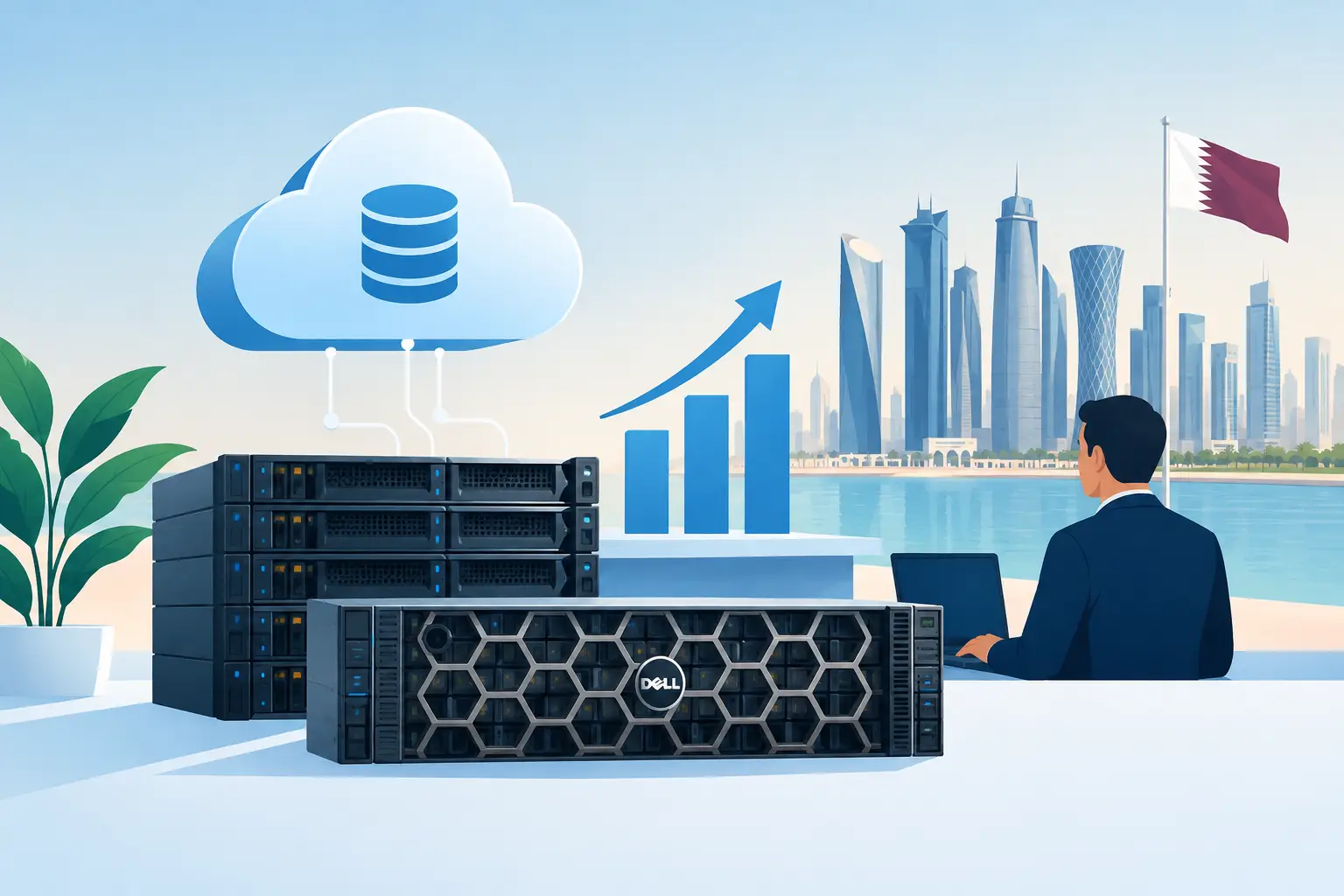

A storage problem rarely begins with a full capacity alert. It usually starts with slow applications at month-end, backup windows that overrun, files that take too long to open, or an outage that exposes gaps in recovery planning. Dell storage planning Qatar organisations undertake should address these operational pressures before they affect customers, staff or compliance obligations.
For businesses in Qatar, the objective is not simply to purchase more terabytes. It is to build a storage environment that supports current workloads, protects business-critical information and expands without forcing a disruptive redesign. The right plan connects Dell storage, PowerEdge servers, networking, backup and power protection into one accountable infrastructure strategy.
Start Dell Storage Planning Qatar With the Workload
Storage specifications should follow the workload, not lead it. A finance system with many small database transactions has different requirements from a CCTV archive, engineering design repository or virtual desktop environment. Capacity may be the primary concern for file retention, while latency and input/output performance may be decisive for databases and virtual machines.
Begin by identifying where data is created, who needs it and how quickly it must be available. IT teams should assess existing usable capacity, annual data growth, file sizes, peak access periods, application dependencies and the consequences of service interruption. A system that appears sufficient on paper can still underperform if too many workloads compete for the same resources.
It is also wise to distinguish between active and inactive data. High-performance storage should be reserved for applications that genuinely require fast response times. Less frequently accessed records, surveillance footage and long-term archives can often be placed on more capacity-focused tiers. This approach improves value without compromising the performance of core services.
Plan for Usable Capacity, Not Just Raw Capacity
The headline capacity of a storage system is not the same as usable capacity. RAID or data protection overhead, snapshots, replication, spare capacity and expected growth all affect the final figure. Deduplication and compression can improve efficiency for suitable workloads, but their benefit varies by data type. Compressed office documents, encrypted files and media files may deliver very different results.
A sensible plan includes headroom. Running close to maximum capacity can reduce performance and leave little room for recovery activity or unexpected projects. Most organisations should plan beyond immediate requirements, while avoiding excessive upfront expenditure on capacity that will remain unused for years. The right balance depends on growth forecasts, budget cycles and the ease of adding capacity later.
Match Dell Storage Architecture to Business Needs
Dell offers storage options for different operational models. A Dell PowerVault solution can be a practical choice where dependable shared storage and controlled cost are priorities. Dell PowerStore is often suited to organisations running virtualised applications, databases and mixed workloads that need scalable, high-performing block and file storage. For large-scale unstructured data environments, such as extensive file repositories or analytics workloads, scale-out architectures may be more appropriate.
The decision should not be made by product name alone. Ask whether the environment needs block storage for databases, file storage for departmental collaboration, or both. Consider the connection method too. Fibre Channel, iSCSI and Ethernet-based designs each have implications for performance, resilience, skills and budget.
For some SMEs, a carefully configured entry or mid-range storage platform paired with Dell PowerEdge servers provides the most cost-effective route to better availability. Larger organisations may require multipath connectivity, dual-controller resilience, advanced replication and integration with existing data-centre standards. Neither approach is automatically better. The correct design is the one that protects the workload at a proportionate cost.
Build Availability Into the Design
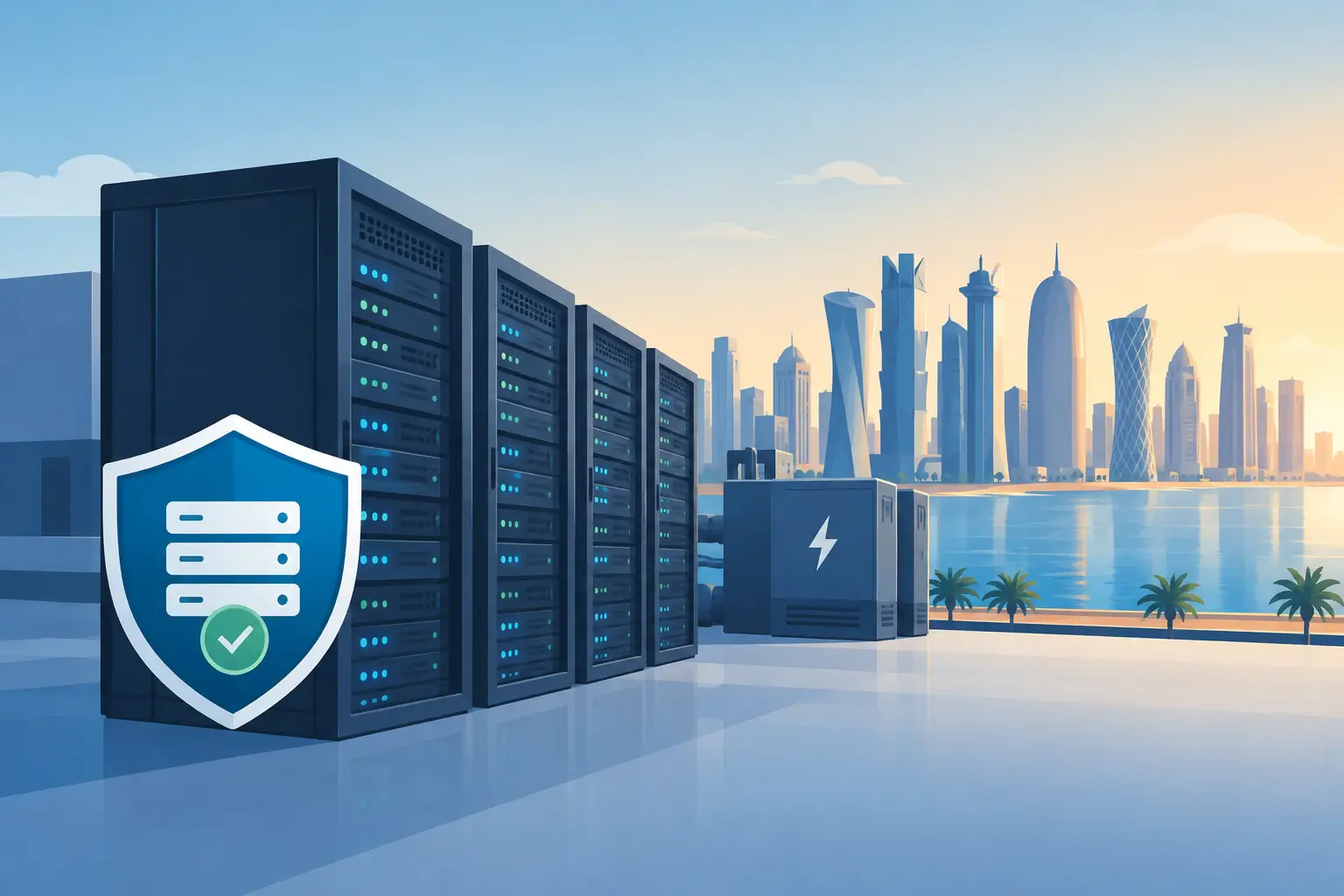
Storage resilience is not achieved by buying redundant hardware alone. High availability depends on the full chain: servers, storage controllers, network switches, cabling, power supply and backup systems. A single switch, unmanaged network link or inadequately protected power source can create a point of failure around an otherwise well-designed storage array.
A useful design review should cover the failure scenarios that matter to the organisation. What happens if a disk fails? What if a controller, network switch or host server becomes unavailable? Can applications continue operating, and how long can users reasonably wait for restoration? These questions turn technical features into clear business decisions.
Eaton UPS systems should also be considered as part of storage planning, particularly in server rooms where fluctuations or power loss could damage equipment, interrupt transactions or complicate recovery. UPS capacity, runtime and controlled shutdown procedures must align with the storage and server environment rather than being selected in isolation.
Define Recovery Targets Before Selecting Protection
Backups and snapshots solve different problems. Snapshots can provide fast recovery from accidental deletion, corruption or failed updates, but they are not a complete replacement for independent backup copies. A hardware failure, cyber incident or site-level event may require data to be restored from a protected backup held separately from production storage.
Define two practical targets with stakeholders: recovery point objective, which determines how much data loss is acceptable, and recovery time objective, which determines how quickly systems must return. A payroll database may need frequent protection and rapid restoration. Historical records may tolerate a longer recovery window. This distinction prevents organisations from paying enterprise-level protection costs for every dataset while ensuring their most important data receives the right level of care.
Recovery plans should be tested, not merely documented. A backup that has never been restored is an assumption, not proven protection. Scheduled testing also confirms that staff understand responsibilities during an incident.
Consider Security, Governance and Growth
Storage is now part of an organisation’s security posture. Access controls, encryption, audit requirements and retention policies need to be considered during design. Separating permissions for storage administration and backup administration can reduce risk, while clear retention rules prevent unnecessary data accumulation.
For regulated organisations and government environments, governance may also influence where data is held, how it is retained and who can access it. These requirements should be established early, especially where storage will support cloud-connected services, remote sites or external collaboration.
Growth planning matters just as much as initial configuration. A business opening a branch, introducing a new ERP platform or increasing digital document retention may outgrow an entry-level design quickly. Scalable storage allows capacity or performance to be added in stages, but expansion paths differ between platforms. Confirm expansion options, compatible components and likely future costs before approving the first purchase.
Make Local Delivery and Support Part of the Decision
Technology procurement is not finished when equipment arrives. Correct installation, firmware alignment, host configuration, data migration and handover affect whether a storage investment delivers its expected results. Local access to genuine Dell products, official manufacturer warranty and qualified implementation support helps reduce delays and avoid configuration compromises.
Delta Business Systems W.L.L. supports organisations across Qatar with Dell storage and PowerEdge server planning, installation, configuration, warranty support, backup integration and IT AMC coverage. Local stock availability in Doha can help shorten deployment lead times, while competitive corporate and bulk pricing can be prepared around the actual capacity, performance and protection requirements of the project.
The most valuable storage plan is one that leaves the organisation with clear answers: which workloads are protected, how long restoration will take, where expansion will occur and who will provide support when an issue arises. For a Dell storage consultation or quotation tailored to your environment, email business@dbsqatar.com or call +974 3139 3916. A well-scoped discussion now can prevent a storage decision from becoming the next unplanned outage.

Permalink